Thursday, November 24, 2011

Day 12: Tribe

The West African Sankofa


"Se wo were fi na wosankofa a yenkyi."

"It is not wrong to go back for that which you have forgotten"


I have never been the most patriotic of Americans. This has very little to do with what it means to be American, and more to do with how I see the world. I don't imagine I'd be any more gung-ho to be Canadian, British or Kenyan for that matter. To me, nationality is a crap shoot. Given the absence of my ink on the constitution, I don't feel a personal claim to what makes this country great/not great beyond my daily actions to support the good things therein. I cherish parts of our foundation and the subsequent (and continued) evolution of human rights that I hold dear - most notable among these, equality. But for me, the significance of country or citizenship is moot - we are born into a sliding scale of humanity, with some countries inevitably further along than others. I believe as individuals we are defined by our actions, not by our birth.

As a white, middle-class American growing up, I was often envious of friends whose culture or ethnicity offered prescribed values and practices that could be publicly acknowledged as such. Sometimes, such distinctions were painful, as when a friend told me at our 8th grade graduation she'd have to prioritize her Korean friends in high school out of respect for her family. Mostly, it was something that I felt a vague separation from - I just didn't have anything like ethnicity to identify with. What I did have was a close extended family with deep traditions tied to singing very specific family songs in treasured family spaces. As I grew, I came to identify these things as the unique culture I could claim as my own. Still, this was a small circle in comparison to the ethnic labels other communities could claim.

Over the years, such perspectives and experiences (coupled with a move from my child hood home and immersion into a variety of unfamiliar communities in high school and college), cultivated a deep sense of responsibility to be firmly independent. Not only did I want to avoid being a burden to anyone, I didn't want to need anyone: success meant being able to take care of myself. I vowed to never test whether I had the sort of safety net ethnicity and tribe can often provide in case, quite simply, it wasn't there (mind you this wasn't based on any lack of family support - my family is beyond generous).

When I talk about how my time in Africa has become a simple experience in humanity far more than a lesson in what's wrong with the countries that combine to make up this awe-inspiring continent, I mean it. Removing myself from my own communal framework and stepping away from this naive attempt to be "independent," helped me to see the value in identifying with a group. By stripping away years of politically correct conditioning and my personal feelings of exclusion, I started to understand (if not always totally agree with), how important it can be for someone to say with total confidence, "I am a [INSERT TRIBE/NATIONALITY/SELF-IDENTIFIER HERE]." While tribalism has many negative and potentially dangerous sides in any culture or context, I can now see how the gift of belonging can be critical to identity. Before, I felt any firm "I am" statement was laden with the potential to exclude or judge anyone else who might not be from the same "I am."

This Thanksgiving will be the fourth I have spent abroad, away from my tribe. In honor of this day, I'm resuming my "30 Days of Asante" posts and taking a moment to be thankful for learning that independence is often over-rated. I have been adopted by many cultures at this point, welcomed in and made to feel like I belong. I have also learned just how critical my sense of identity as an American...a Californian...a MacDonald or a Daniels, etc., is. While I'll never focus on the idea that one "I am" is any better than another "I am," I remain more and more thankful for my growing ability to identify in some way as a member of a larger group. Over the past year I have been overwhelmingly supported by my tribe of family and friends, all of whom have helped me let go of any presumption that I could exist, survive or thrive without the love, support and companionship of those who share my roots and history. Somehow, understanding this makes venturing out into the world in all its diversity, pain and splendor that much sweeter.

For this, I am thankful.

Friday, October 28, 2011

Here today...gone to Ghana!

When I returned to the U.S. last year, I did so with a desire to promote access to education in the developing world. All my time abroad, all my studies and work experience to that point suggested that the fight against poverty is best served by getting kids into school - and more specifically, college.

In the developing world, most curriculum and pedagogy are based on wrote memorization. Students rise hours before dawn, drawing close to kerosene lamps to churn through unfathomable amounts of information. All this is done to reach an academic climax at the end of high school that determines whether they will be one of the fortunate few to gain access to government universities. Of the 300 thousand or so Kenyan students who sat exams last year, only the top 3% gained admission to the University of Nairobi system with a government bursary. An additional 3% or so will attend by paying their own fees, and another 3% or so will attend private universities. The rest? Their formal education and all the opportunities it might offer, end there. This situation and the staggering numbers of hardworking students it leaves behind is replicated across the developing world.

What this means is that many people in the developing world never get to engage or participate in an education that promotes critical thinking, problem solving or comprehensive analysis. American teachers struggle to do this in overfilled classrooms with limited resources - imagine what a rarely paid rural teacher faces with 60 students, no books and a small blackboard (often without any chalk?). Getting kids to college means they might learn how to think critically, to challenge the problems around them - to actively engage in changing their circumstances, both personally and in their community beyond.

I shared these thoughts last year from the Bay Area to Seattle with anyone and everyone I could, along with the ideas I was starting to mull over for addressing this challenge. Little did I know that a model similar to one I was dreaming up already existed – and in Seattle, no less!
Which brings me to my current "geotag" in Accra, Ghana, and a 3-month fellowship with a non-profit called Vittana.


Vittana is based on the Kiva-popularized model of micro credit, often practiced with small business owners and entrepreneurs in the developing world. By providing access to previously unavailable capital, people from Bangladesh to Peru are moving beyond day-to-day, subsistence living and gradually breaking the shackles of poverty. There have been challenges, to be sure, but as my recent visit to a group of borrowers showed me, the “poor” can be reliable “investments” who are exceedingly capable of paying it forward in the form of education for their children and greater community involvement and economic engagement as a whle.

Vittana’s founder, Kushal Chakrabarti, realized this model could be used with students as well – providing access to funds to pay for school fees – especially when a lack of fees was threatening to force a student to drop out of college just a semester or two shy of a degree. Vittana was launched and in the past few months has gone from working in 8 countries to partnering with 19 local micro finance institutions (MFIs) in 12 countries.

Click here for an easy break down of how Vittana works. My role as a fellow in Ghana involves doing the market research that determines the feasibility and scope of a potential loan product, and then helping build and launch this new product with our partner. My fellow colleague and I are working with one of Ghana's largest MFIs to create a loan program that addresses student's needs in the Ghanaian context - a challenge given mandatory national service after college and high unemployment rates. It is a lot of work in a totally new country, but each time I meet a student and see the "hustle" they go through to get through university, I'm inspired.

I believe deeply in the interconnectedness of international communities, and ensuring citizens throughout one of the most booming continents (6 out of 10 of the fastest growing economies in the last decade are in sub-Saharan Africa) are equipped with the tools they need to support this growth. I am so excited by the idea of helping students stay in the programs they've worked so hard to access that I'm doing this work on an almost exclusively volunteer basis (fellows just get a small stipend to help with travel costs).

If you are interested in supporting Vittana's mission, please consider visiting the website and picking a student - it's that simple. Just think - with a few clicks you can cross "help someone go to college" off your bucket list and even get the money back when they're done. I'll let you know when our first Ghanaian students are on the site - until then, I hope you can find a student that shares an interest or a goal that might resonate with your own story.

It’s an honor and privilege to do this work – to sink my teeth into the arena that my studies and experiences show me is the most critical support we can provide to the developing world by working to increase access to education for future leaders. These are the people who will take responsibility for their communities. Please join me in supporting them.


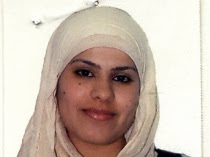
Vittana borrower Hend Hamdan from Jordan
Studying to be an environmental engineer

Thursday, October 27, 2011

Fun with instagram

Though I have a novel of a post in the works, these days I regret I don't have as much time or bandwidth to blog properly. I am posting lots of pics to Facebook and Twitter - make sure to friend/follow me if these are your cup of tea. If not, here are a few of the pics I've posted via Instagram of life in Accra, as it passes by. Instagram is an iphone app that let's you easily enhance photos with various filters. It's fun to use and a quick way to share!


My morning commute (usually with a lot more traffic)


The building next door to my office


The shooting range near my colleague's house where army training occurs


Remnants of colonialism


The name says it all


Cape Coast drama


Shells to remember Ghana by

Tuesday, October 18, 2011

Here today, gone to Ghana...

I've been meaning to write for awhile and explain what the heck I'm doing in West Africa. I promise to soon - until then, enjoy a little glimpse of traditional life. This is how fufu (a mixture of ground cassava, yam and sometimes plantains) is traditionally made. I took this video just before I had my first fufu, which is sadly too spicy for my taste!


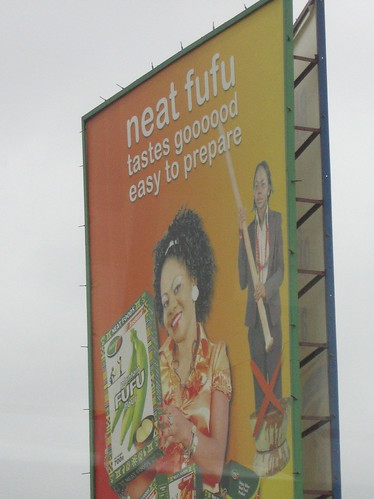
It certainly helps understand the mentality behind this billboard for instant fufu!

Neat Fufu

Thursday, August 11, 2011

Apliiq + Rising + Bombolulu has launched!


I know I introduced this project a couple posts back, but the formal collaboration has launched on Apliiq's site. While you can still design your own pieces, Apliiq has put together a "Rising Collection" and is sharing more about Rising and Bombolulu with their Apliiq community. Please visit the Apliiq site to learn more about the partnership, and then, get your shop on! Thank you for supporting two organizations near and dear to my heart.

Wednesday, July 27, 2011

From the horse's mouth

I've never been close to a refugee camp or a major famine, but I've seen my share of distended bellies and red-tipped hair since 2007 and my time in Kwa Zulu Natal. It explains what anyone who has dined with me in recent years can attest to - a near neurotic attempts to skirt wasting food. I've always loved left overs, but these days it's harder and harder to justify the copious portions offered in so many American eateries when I've seen how quickly a bag of beans can go.

The truth is, there are children starving in Africa...moms, dads and lone survivors too. And while taking food home after a meal helps me assuage the guilt of always having too much - it does nothing to address this reality. Thankfully, there are things that can be done.

I've been posting links to the World Food Programme on Twitter and Facebook because it's the best thing I know how to do. Still, I sense that like me, many will resist donating at first - because aren't there always starving children in Africa? I mean there have been since our moms first started making us eat all our peas, right?

The answer is yes, and no. Yes, the continent remains plagued by food insecurity and many nations are especially drought-prone and under-developed. But as a far more practiced and insightful development blogger notes, these are no longer death sentences when the rains fail to come. As Owen points out, Ethiopia (perhaps the most famous of dinner-table references) is weathering this drought ok, thanks to infrastructure and a safety-net system set up by their government with international assistance.

So lest we be tempted to hold back support for fear that there's nothing we can do but accept that countries like Somalia just drew the short straw in the allocation of natural resources, we cannot. Right now, in the horror of a true humanitarian crisis, we can send money to feed people that are starving.

Please do. And if you're not going to take that leftover pasta home with you, I'll be happy to.

Tuesday, July 19, 2011

Global threads


I've been involved with Rising International for a number of years. It's a group that buys artisan crafts from around the world and sells them in home party settings. Anyone who has been to a Rising party can tell you how magical they are. Often a woman from one of the countries where the crafts are made will speak about her experiences back home and what it's like to give birth, raise children or try to make a living in an underdeveloped and often poverty stricken country. With clarity and poise she will tell her story to a room full of strangers, and by the end she is amongst friends. Women empowering and educating each other - it's a beautiful mission.


A few months ago Rising partnered with Apliiq, a creative clothing company based in L.A. that lets buyers customize cozy sweatshirts, lightweight tops, dresses, hats and bags with amazing fabrics from around the world. A portion of sales from certain designs benefit various non-profits, including Rising. I worked with Rising to source these fabrics from one of the groups I worked with in Kenya and am so excited to see them on the site!


Bombolulu Workshops work with disabled people from around Kenya to provide jobs and skills training. Visit Apliiq's fabric section under the ethnic category and see three fabrics from Bombolulu's workshop in Mombasa:
Rising, Kenya Krew and Bombolulu Blast. You can customize a piece with any of these fabrics and know that Bombolulu and Rising will benefit from your purchase. I warn you - it's addicting!

Here's one I put together:


And a couple others for inspiration...


Seriously - the possibilities are endless! Treat yourself to a fun, ethically sourced and sweatshop free goodie and support Rising and Bombolulu along the way.* Remember - look for the fabrics Rising, Kenya Krew and Bombolulu Blast. Make sure to send me a picture of what you create - I'd love to see it!

*My inner copywriter can't help but make an appearance in this post.